Women Who Built the Civic Backbone of This Nation
Civic engagement in the United States did not expand on its own. It was pushed, demanded, organized, and often paid for—by women who were excluded from the very systems they helped transform. If you are benefiting from voting rights, community advocacy, public leadership, or expanded civil liberties, you are standing on work that women—especially Black women—forced into existence.
This is not symbolic. It is structural.
The Local Foundation: Huntsville’s First Black Women Suffragists
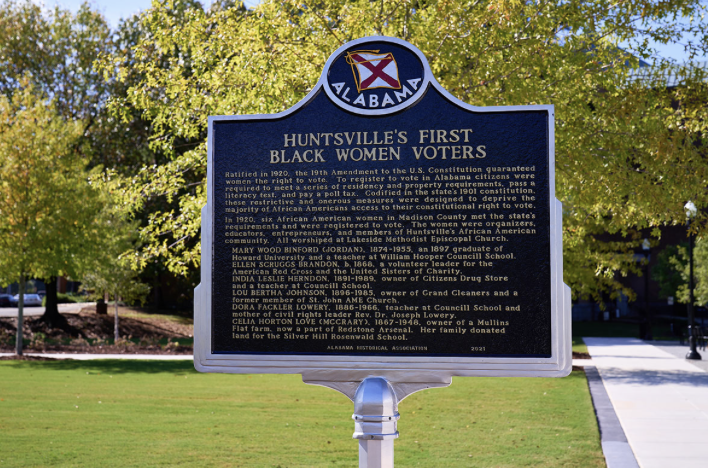
Mary Wood Binford, Ellen Scruggs Brandon, India Leslie Herndon, Lou Bertha Johnson, Dora Fackler Lowery, and Celia Horton Love challenged racial injustice by becoming the first Black women to vote in Madison County. This historical marker stands at Councill High Memorial Park.
Before national recognition, there was local resistance.
In Huntsville, the first six Black women suffragists organized in a hostile environment where both race and gender were barriers to civic participation. Their work was not about recognition—it was about access. Access to the ballot. Access to voice. Access to legitimacy in a system designed to exclude them.
They operated without protection, without widespread support, and without guarantees of success. That matters. Because too many people today want the visibility of civic work without the risk.
These women laid the groundwork that still holds today: community-based organizing, collective action, and persistence in the face of systemic resistance.
National Disruption: Shirley Chisholm
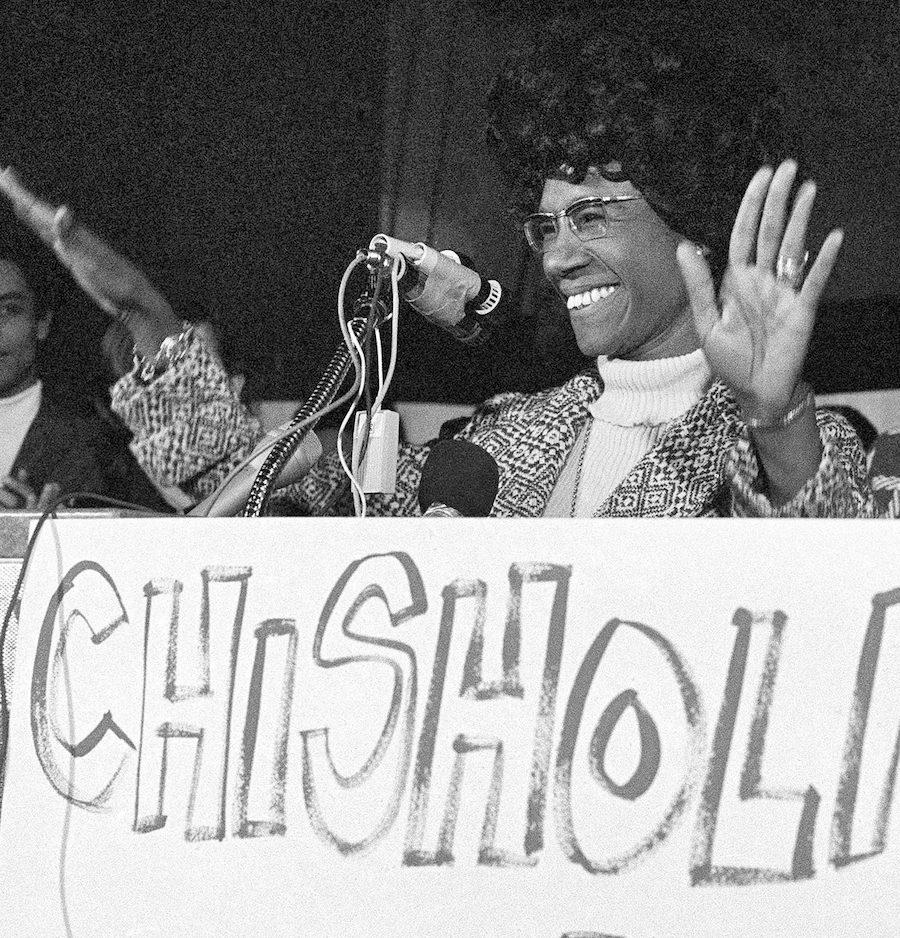
“Unbought and Unbossed” was Shirley Chisholm’s campaign slogan in her run for president in 1972.
Shirley Chisholm did not ask for permission. She ran for Congress in 1968 and won. Then she ran for president in 1972—not because it was safe, but because it was necessary.
Her campaign slogan, “Unbought and Unbossed,” was not branding—it was strategy.
She challenged both racism and sexism inside and outside her own party. She understood something most people still avoid: systems do not change because you are polite—they change because you apply pressure.
Chisholm expanded what political participation could look like. Not theoretical inclusion. Actual representation.
Power Inside the System: Condoleezza Rice
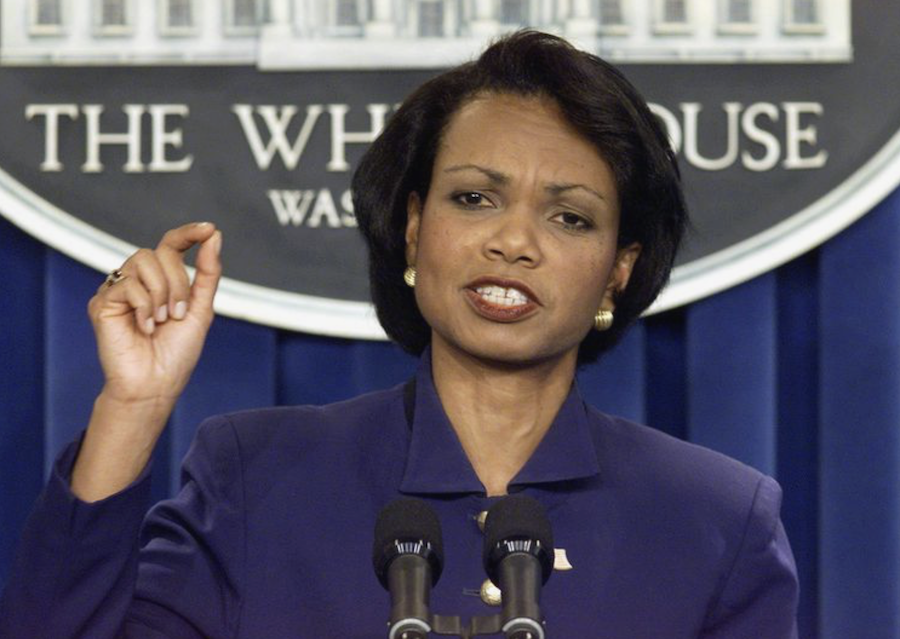
Condoleezza Rice made history as both the first woman and the first Black woman to serve as national security adviser, and she went on to become the first Black woman to serve as Secretary of State.
Condoleezza Rice represents a different lane: influence from within institutions.
As a former U.S. Secretary of State, she operated at the highest levels of government, shaping foreign policy and national strategy. Whether people agree with her policies is not the point—she occupied space that Black women were never expected to hold.
Because civic power is not just protest and organizing—it is also policy, negotiation, and decision-making.
If you only build outside the system, you limit your reach. If you only work inside it, you risk becoming it. The tension between the two is where real change happens.
Movement and Resistance: Marsha P. Johnson and the Stonewall Uprising
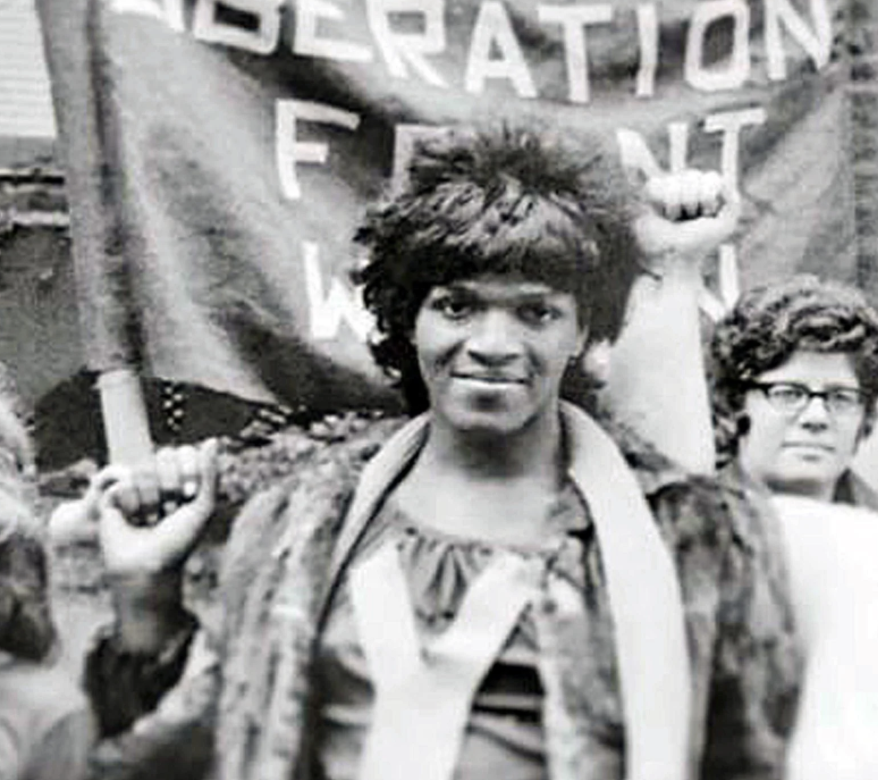
Marsha P. Johnson’s contributions to the fight for equality solidified her legacy as a trailblazer in the ongoing struggle for LGBTQ+ rights.
Marsha P. Johnson was not elected. She was not appointed. She was not sanctioned.
And still—she helped ignite one of the most important civil rights movements in modern history.
At Stonewall, resistance was not organized through formal channels. It was collective, immediate, and rooted in survival. Johnson’s role represents a form of civic engagement people still undervalue: disruption.
Not all civic participation looks like voting or holding office. Sometimes it looks like refusing to comply with unjust systems—and forcing those systems to respond.
The Pattern You Cannot Ignore
Across these women—local suffragists, Shirley Chisholm, Condoleezza Rice, Marsha P. Johnson—there is a clear pattern:
They did not wait to be invited.
They operated in spaces not built for them.
They used different strategies—organizing, policy, protest—but with the same goal: expanding access and power.
Most people today treat civic engagement like a moment—an election, a protest, a post.
It is not a moment. It is a practice.
Why This Matters Now — Alabama and the May 19th Primary
With 35 days until the May 19 primary election, we are highlighting women—both locally and nationally—who have shaped and strengthened civic engagement.
We began by honoring the legacy of Rosetta James, a local civic leader whose contributions helped shape community engagement in Huntsville. Throughout this series, we will feature additional women—and voter education content—through written profiles and video storytelling to ensure this work is seen, heard, and carried forward.
From the first Black women suffragists in Huntsville to leaders like Shirley Chisholm, Condoleezza Rice, and Marsha P. Johnson, this work is not about recognition alone—it is about responsibility.
Here in Alabama, the stakes are not theoretical.
Maternal health outcomes continue to disproportionately impact Black women. Rural and underserved communities face ongoing challenges with access to clean water and basic infrastructure. Rising costs are straining working families, reducing what their dollars can cover. Violence against women remains persistent, and access to comprehensive healthcare—physical, mental, and reproductive—continues to leave too many without the support they need.
These are not distant problems. They are Alabama’s realities. And they are directly tied to policy, leadership, and civic participation.
As Ella Baker reminded us, “We who believe in freedom cannot rest.”
What This Requires of Us
If you are serious about civic engagement, stop confusing awareness with action.
Awareness is not participation.
Posting is not organizing.
Attending is not leading.
The women who built this foundation did not just show up. They committed.
So the real question is not whether you admire them.
It is whether you are willing to do what they did:
Learn the system.
Challenge the system.
Or step into the system and change it.
Pick a lane—or build one.
Because the only thing worse than exclusion is inheriting power and doing nothing with it.
Call to Action
Over the next 35 days, we will continue to feature women whose work has shaped civic life—right here and across the nation—through both written stories and video.
Do not just read or watch.
Move.
(April 13, 2026)